
EHN EHN
-

Bisphenol mixtures alter breast tissue development in lab-grown human models
by EHN Curators on October 22, 2026 at 7:48 pmExposure to common chemicals may alter how normal human breast tissue develops, according to a new study from researchers at Tufts University School of Medicine and Boston University.
-
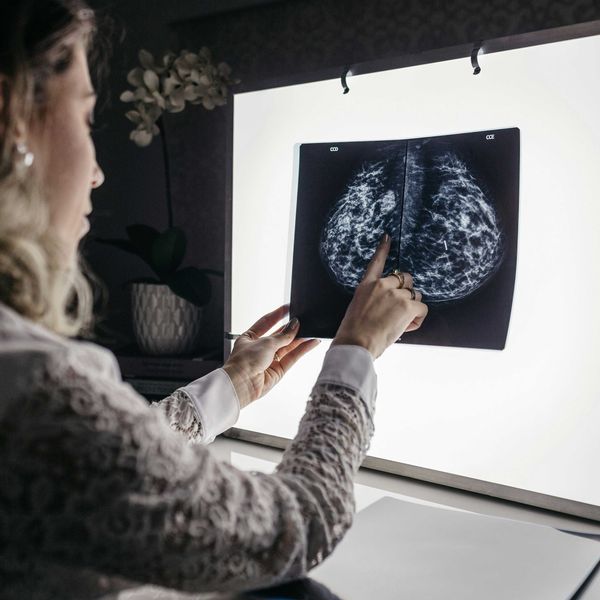
Exposure to breast cancer-linked chemicals is widespread in the U.S.
by Environmental Health Sciences Staff on October 16, 2026 at 8:35 pmResearchers at the Silent Spring Institute and the University of California analyzed U.S. government databases for information on the production, sources, exposures, and regulations of environmental chemicals linked to breast cancer, and published their findings in Environmental Health Perspectives.
-

Plastic additive meant to replace toxic phthalates linked to lower birth weights, study finds
by EHN Curators on October 15, 2026 at 2:17 pmA study led by NYU Langone Health researchers adds to growing evidence that replacement chemicals can pose their own health risks.
-
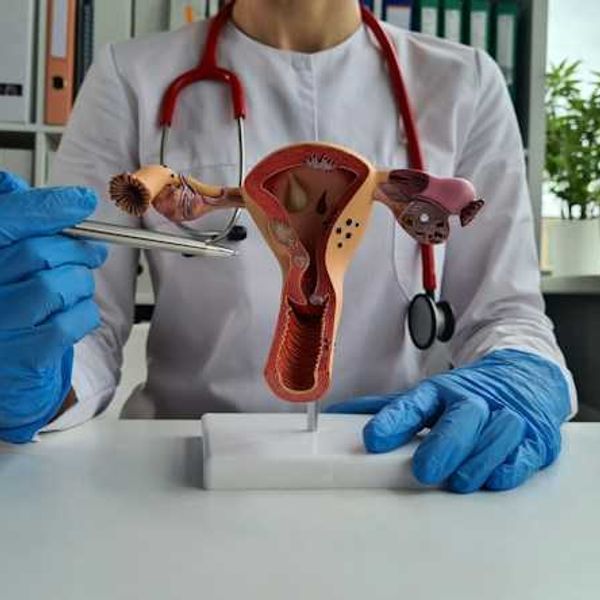
Mounting evidence shows a common plastic chemical can affect human ovaries
by EHN Curators on October 14, 2026 at 4:10 pmA class of chemicals called phthalates is widespread in our lives, and there are growing concerns about what impact they’re having on our reproductive health.
-

Microplastics found in urine of 91% of children may shape behavior
by EHN Curators on October 14, 2026 at 4:04 pmA study of 1,234 Chinese ten-year-olds found microplastics in 91 percent of urine samples and linked certain polymers to behavioral problems.
-

Study links common insecticides to lower sperm concentration in men
by EHN Curators on October 8, 2026 at 12:30 pmHigher exposure to common neonicotinoid insecticides was associated with lower sperm quality in men, according to a new study.
-
How environmental ‘obesogens’ are rewriting metabolism
by EHN Curators on October 7, 2026 at 4:53 pmThese environmental chemicals are all around us: in our food and products and in the air and water. And they could be contributing to the obesity epidemic.
-

Is PFAS exposure linked to hypertension in pregnancy?
by EHN Curators on October 7, 2026 at 4:51 pmA Northeastern study links exposure to PFAS during pregnancy to hyper blood pressure, especially in first-time mothers.
-

Pesticide exposure widespread in U.S. children
by Environmental Health Sciences Staff on October 2, 2026 at 7:18 pmA recent study published in Environment and Health found that young children are exposed to a wide range of pesticides during key periods of growth and development.
-

PFAS, chemical mixtures linked to childhood obesity risk
by EHN Curators on September 29, 2026 at 12:12 pmA study of 1,301 European mother-child pairs found prenatal exposure to PFAS and chemical mixtures was linked to higher BMI and body fat through age 15.
-
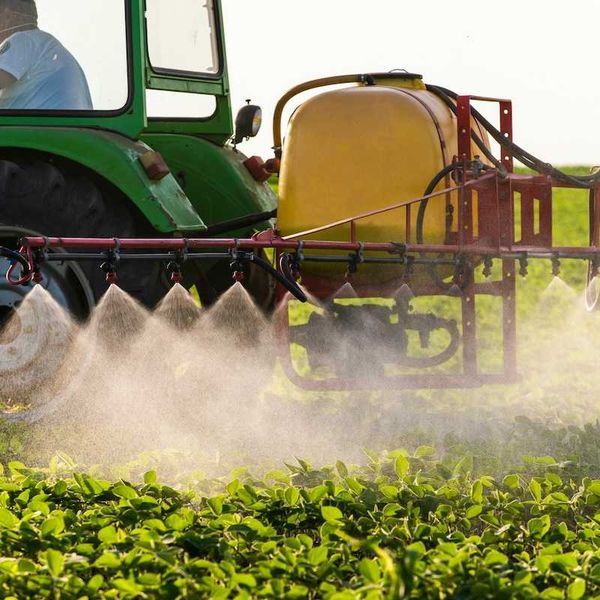
New research finds 485 chemicals in US pesticide products linked to breast cancer
by EHN Curators on September 28, 2026 at 11:20 amPaper raises questions about safety of food and other products as early onset breast cancer rates surge worldwide.
-
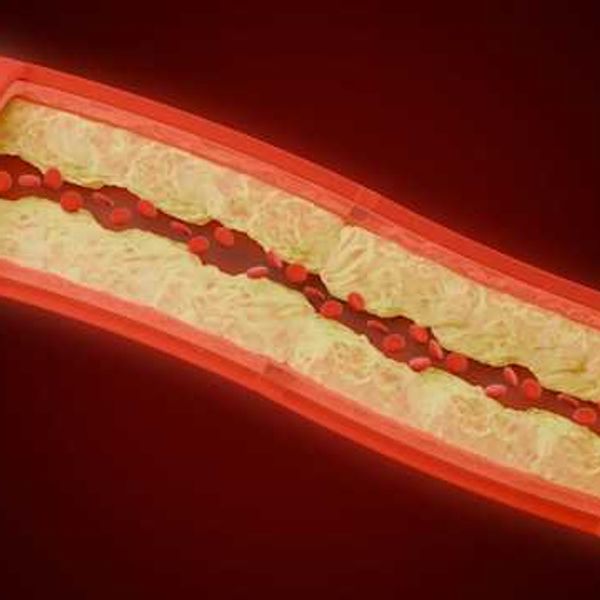
Small, abundant PFAS could impair blood vessel development
by EHN Curators on September 24, 2026 at 2:15 pmNew research indicates that trifluoroacetic acid can interfere with how endothelial cells produce energy, which they need to maintain and grow new blood vessels.
-

Microplastics found in every milk sample tested, with plastic bottles worst
by EHN Curators on September 24, 2026 at 2:08 pmMicroplastics have turned up in yet another staple of the global diet, and this time the evidence comes with unusually rigorous analytical backup.
-

Chemicals linked to breast cancer are ‘ubiquitous,’ study shows
by EHN Curators on September 24, 2026 at 11:45 amHundreds of potential breast carcinogens taint everyday consumer products, food, drinking water, medicines, building materials, and pesticides, scientists reported.
-

Emory clinical trial to test potential ways to remove PFAS from humans’ bodies
by EHN Curators on September 24, 2026 at 11:30 amFor decades, carpet and chemical manufacturing plants in north Georgia discharged industrial wastewater containing PFAS into the Oostanaula and Conasauga river basins.
-

Pesticides contain hundreds of chemicals that could boost breast cancer risk, new research finds
by EHN Curators on September 23, 2026 at 1:51 pmHundreds of chemicals commonly used in pesticide products could be increasing the risk of breast cancer. This includes active ingredients, but also inactive ones that do not receive the same level of testing.
-

US veterans have greater levels of PFAS in their blood than civilians, new study finds
by EHN Curators on September 21, 2026 at 12:00 pmSoil and water around military bases show elevated levels of PFAS pollution due to chemicals used in firefighting foam.
-

Nearly half of U.S. schools located within a mile of a polluted site
by Environmental Health Sciences Staff on September 19, 2026 at 2:07 amA nationwide analysis published in Proceedings of the National Academy of Sciences found that 44% of U.S. schools (pre-K through grade 12) are located within one mile of a known hazardous site.
-
Video: Why scientists are warning us about everyday plastics
by EHN Curators on September 17, 2026 at 12:00 pmScientists are issuing urgent warnings about the invisible threat of microplastics and toxic chemicals secretly polluting our homes, organs, and even unborn babies.
-

Use of scented products increases air pollution inside homes
by Environmental Health Sciences Staff on September 12, 2026 at 12:40 amA recent study published in Environment International found that the use of scented products like incense, oil diffusers, and candles significantly raises air pollution levels indoors.