
EHN EHN
- EU aims to ease pesticides rules, health experts sound alarm
 by EHN Curators on October 26, 2026 at 12:01 pm
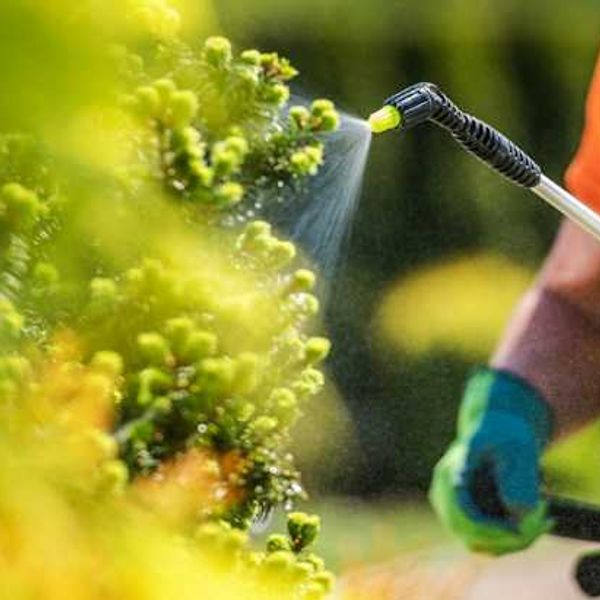
The European Union wants to relax rules for pesticides, saying it will be easier for farmers to adopt more environmentally-friendly options. But health and environmental experts say the risks are far too great.
- Opinion: What a new fight over chemical safety reveals about our changing politics
 by EHN Curators on October 21, 2026 at 4:53 pm
A new movement for human health is giving people from different backgrounds a reason to stand together.
- EPA quietly backtracks on claims US has phased out toxic PFAS compounds
 by EHN Curators on October 18, 2026 at 4:27 pm
The Environmental Protection Agency has quietly backtracked on a claim that the US has phased out two of the most dangerous PFAS compounds — PFOA and PFOS.
- US Food and Drug Administration may allow some toxic chemicals to be added to food without safety review
 by EHN Curators on October 13, 2026 at 12:20 pm
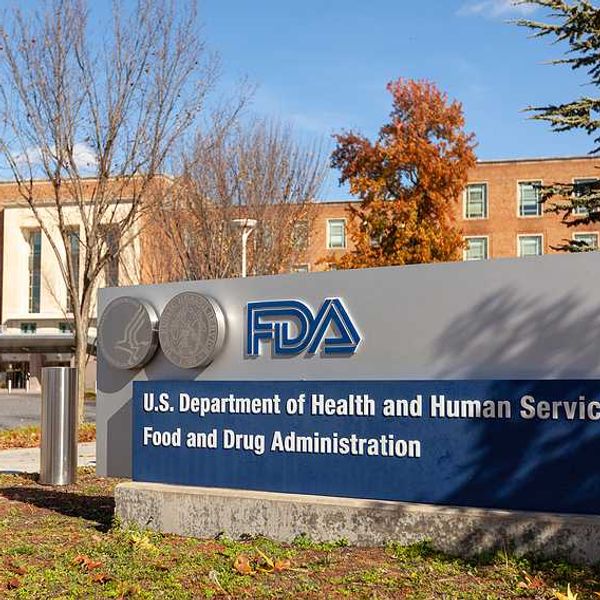
The regulator looks to expand a loophole to allow dangerous compounds in food as long as they’re not carcinogenic.
- Opinion: How the U.S. public lost its say on environmental policy
 by EHN Curators on October 8, 2026 at 12:25 pm
The Trump administration is systematically undercutting the public comment process, stifling public input while skirting federal laws.
EHN EHN
- Webinar: Reducing EDC exposures: from informed consumers to policy solutions
 by Sarah Howard on October 7, 2026 at 7:26 pm
In this Nov. 17, 2026 webinar, Dr. Robin Dodson of Silent Spring will provide an overview of intervention studies in which researchers have examined the effects of eliminating sources of chemical exposures. Sponsored by the EDC Strategies Partnership. Info/register.
- UNEP Global Framework on chemicals conference
 by Sarah Howard on September 28, 2026 at 2:44 pm
Registration ends Sept. 30 for the First International Conference of the Global Framework on Chemicals, to be held on Nov. 16-20, 2026 in Geneva, Switzerland.
- New online course: EDCs 101
 by Sarah Howard on June 22, 2026 at 5:41 pm
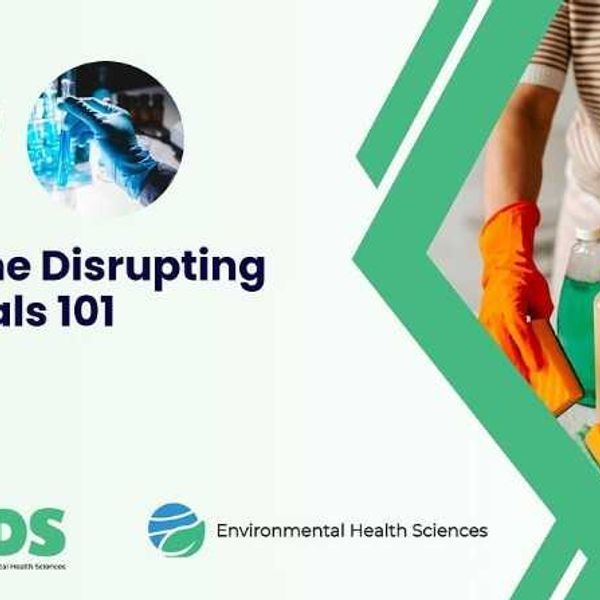
HEEDS has created an online course on endocrine disrupting chemicals and we are looking for people to try it out. This course is designed to break down how endocrine disrupting chemicals work inside the body and the supporting evidence about how these chemicals change the way we think about health.
- Jerry's on TikTok!
 by Sarah Howard on May 27, 2026 at 2:41 pm
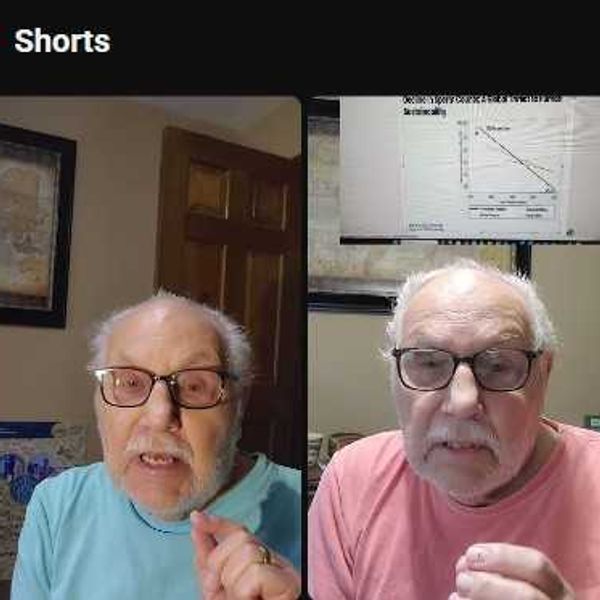
Dr. Jerry Heindel, HEEDS founder, is now on TikTok! The videos are also available as shorts on the HEEDS YouTube channel.
- Webinar recording: Reporting on toxics & health: Lessons from covering “forever chemicals”
 by Sarah Howard on May 26, 2026 at 4:56 pm
This June 25, 2026 webinar featured award-winning reporters Sharon Lerner of ProPublica and Stéphane Horel of Le Monde who discussed reporting on PFAS. Sponsored by CHE.